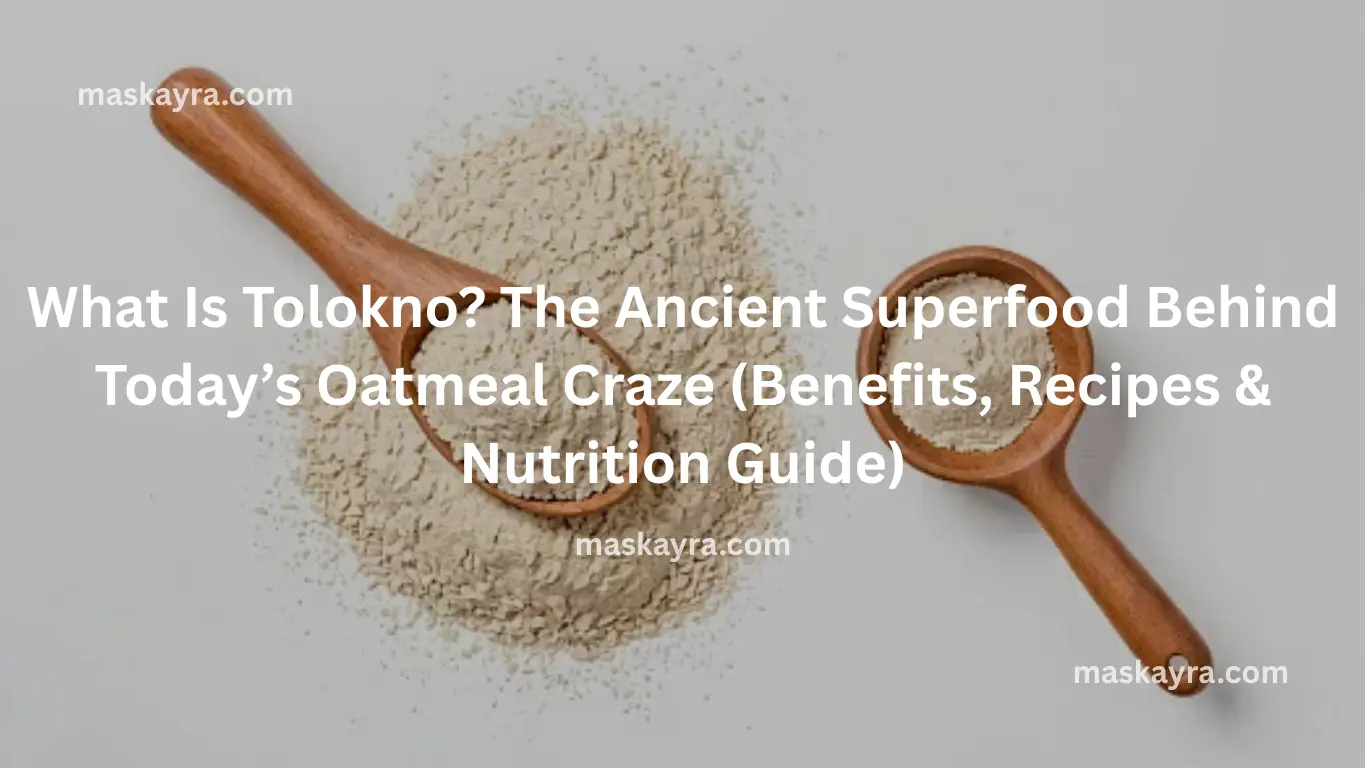
tolokno (The Oatmeal Craze) – If you’ve been searching for healthier breakfast options or wondering “is oatmeal good for you?”, you may have come across an ancient grain-based food called tolokno. While it may sound unfamiliar to many in the United States, Canada, the UK, or Australia, tolokno is deeply connected to what we already know and love as oatmeal. In fact, tolokno can be understood as a traditional, minimally processed form of oats that predates modern instant oatmeal and even many baked oatmeal recipes that dominate breakfast culture today.
Table of Contents
Understanding Tolokno: The Traditional Oatmeal Superfood Making a Modern Comeback
Tolokno is made by soaking, steaming, drying, and finely grinding whole oats. This traditional process enhances digestibility while preserving the natural fiber, vitamins, and minerals found in wholegrain oats. Unlike highly processed instant oatmeal, which often contains added sugars or artificial flavors, tolokno represents a clean, nutrient-dense alternative that aligns perfectly with today’s demand for healthy oatmeal, organic oatmeal, and clean eating breakfast options.
In modern nutritional discussions, tolokno fits seamlessly into conversations about oatmeal nutrition, oatmeal fiber, and oatmeal health benefits. It delivers slow-digesting carbohydrates, making it ideal for sustained energy throughout the day. This is why it’s often compared with steel cut oats, rolled oats, and even trending foods like overnight oats or protein oatmeal. However, tolokno stands out due to its unique preparation process, which pre-cooks the oats naturally, allowing them to be consumed with minimal additional cooking.
As more people search for best oatmeal options, including gluten free oatmeal, oatmeal for diabetics, and oatmeal diet plans, tolokno offers a compelling solution. It bridges the gap between ancient nutrition and modern convenience, making it relevant for anyone exploring how to make oatmeal, improve digestion, or increase daily fiber intake.
Nutritional Powerhouse: Why Oatmeal and Tolokno Are Considered Superfoods
When discussing oatmeal nutrition facts, tolokno deserves serious attention. Like traditional oatmeal, it is packed with essential nutrients such as dietary fiber, plant-based protein, magnesium, iron, and B vitamins. One of the most talked-about components of oatmeal is beta-glucan, a soluble fiber known to support heart health and help reduce cholesterol levels. This is why many people researching oatmeal and cholesterol or oatmeal lower cholesterol benefits are encouraged to include oats in their daily diet.
Another major reason why people ask “is oatmeal good for you?” is its impact on digestion. Tolokno, like oatmeal, is gentle on the stomach and can be particularly helpful for individuals dealing with digestive issues. It is often recommended for those wondering “is oatmeal good for upset stomach?” due to its soothing properties. The finely ground nature of tolokno makes it even easier to digest compared to coarse oats like steel cut oats.
For those focused on fitness and muscle building, protein oatmeal has become increasingly popular. While oats are not a complete protein, they provide a solid base that can be enhanced with ingredients like peanut butter, yogurt, or protein powder. Tolokno can serve as an excellent base for these high-protein meals, supporting both weight management and muscle recovery.
Additionally, tolokno aligns well with the needs of individuals managing blood sugar levels. Many people search for is oatmeal good for diabetics, and the answer often depends on the type of oats consumed. Because tolokno is minimally processed and rich in fiber, it has a lower glycemic impact compared to sugary instant oatmeal varieties. This makes it a smart choice for maintaining stable energy levels throughout the day.
From supporting heart health to aiding digestion and providing sustained energy, tolokno truly embodies the qualities of a superfood. It reflects everything people are searching for when they explore healthy oatmeal, oatmeal benefits, and wholegrain oats nutrition.
Tolokno vs Modern Oatmeal: What Sets Them Apart?
At first glance, tolokno and oatmeal may seem identical, but there are important differences that influence their nutritional value, taste, and preparation methods. Understanding these differences can help you choose the best oatmeal for your lifestyle and dietary goals.
Modern oatmeal comes in several forms, including instant oatmeal, rolled oats, and steel cut oats. Instant oatmeal is highly processed and cooks quickly but often contains added sugars and flavorings. Rolled oats strike a balance between convenience and nutrition, while steel cut oats are the least processed but require longer cooking times.
Tolokno, on the other hand, occupies a unique space. It is pre-treated through traditional methods that enhance its digestibility while preserving its natural nutrients. Unlike instant oatmeal, it does not rely on artificial processing techniques. And unlike steel cut oats, it does not require extensive cooking, making it both nutritious and convenient.
This distinction becomes especially important for those exploring oatmeal recipes, how to make oatmeal, or experimenting with baked oatmeal recipes. Tolokno can be used as a quick base for porridges, smoothies, or even creative dishes like banana oatmeal, apple oatmeal, and oatmeal yogurt bowls.
Another key difference lies in texture and taste. Tolokno has a finer consistency, almost like flour, which allows it to blend seamlessly into recipes. This makes it ideal for creating smooth porridges, energy balls, or even desserts like oatmeal bars, oatmeal muffins, and oatmeal pancakes.
As more consumers move away from ultra-processed foods and toward natural, wholegrain alternatives, tolokno represents a return to authenticity. It aligns perfectly with trends like organic oatmeal, clean eating, and traditional food revival, making it a powerful addition to any modern kitchen.
How to Make Oatmeal Using Tolokno: Simple and Modern Recipes
One of the biggest advantages of tolokno is its versatility in the kitchen. If you’ve ever searched for how to make oatmeal, you’ll appreciate how easy and adaptable tolokno can be. Because it is pre-processed through soaking and drying, it requires minimal cooking time, making it perfect for quick breakfasts or healthy snacks.
To prepare a basic oatmeal-style dish using tolokno, all you need is warm milk or water. Mix a few tablespoons of tolokno into the liquid and stir until it reaches your desired consistency. This creates a smooth, creamy porridge that can be customized with various toppings such as fruits, nuts, or natural sweeteners.
For those interested in trending recipes like overnight oats or protein oatmeal, tolokno works beautifully. You can combine it with yogurt, chia seeds, and almond milk, then let it sit overnight to create a nutrient-dense breakfast. Adding peanut butter transforms it into a rich peanut butter oatmeal variation, while incorporating cocoa and chocolate chips can give you a healthy twist on chocolate oatmeal cookies flavors.
If you enjoy baking, tolokno can also be used in baked oatmeal recipes, oatmeal bars, and even desserts like oatmeal cookies. Imagine creating soft, chewy oatmeal chocolate chip cookies or classic oatmeal raisin cookies using a more natural and nutrient-rich base. You can also experiment with no bake oatmeal cookies, which are perfect for quick snacks without turning on the oven.
For those who love creative breakfast ideas, tolokno can be blended into smoothies, used in oatmeal pancakes, or even incorporated into oatmeal muffins. Its fine texture allows it to integrate seamlessly into recipes, enhancing both flavor and nutritional value.
Whether you’re preparing a simple breakfast or experimenting with gourmet recipes, tolokno offers endless possibilities. It transforms the concept of oatmeal from a basic dish into a versatile culinary experience.
Oatmeal for Health: Weight Loss, Digestion, and Heart Benefits
Oatmeal has long been associated with health and wellness, and tolokno strengthens that reputation even further. Many people exploring oatmeal diet plans or searching for oatmeal calories are looking for foods that support weight management without sacrificing nutrition. Tolokno fits this need perfectly, as it is filling, nutrient-dense, and naturally low in added sugars.
One of the key reasons oatmeal supports weight loss is its high fiber content. Fiber promotes satiety, helping you feel full for longer periods and reducing the likelihood of overeating. This is why oatmeal is often recommended as part of a balanced diet aimed at sustainable weight loss.
Digestive health is another area where oatmeal excels. The soluble fiber in oats supports gut health and helps maintain regular digestion. For individuals dealing with sensitive stomachs, oatmeal is often one of the first foods recommended, answering the common question, “is oatmeal good for upset stomach?”.
Heart health is perhaps the most well-documented benefit of oatmeal. Studies have shown that the beta-glucan in oats can help lower LDL cholesterol levels, reducing the risk of heart disease. This makes oatmeal a staple in diets focused on cardiovascular health, especially in countries like the United States and the UK, where heart disease remains a leading concern.
For those managing diabetes, oatmeal can also be beneficial when consumed in its natural, unprocessed form. The fiber content helps regulate blood sugar levels, making it a safer choice compared to sugary breakfast cereals.
From supporting digestion to promoting heart health and aiding weight loss, tolokno and oatmeal offer a comprehensive approach to wellness. They represent the perfect balance of tradition and modern nutrition.
Beyond Breakfast: Creative Uses of Oatmeal in Daily Life
While oatmeal is most commonly associated with breakfast, its uses extend far beyond the morning meal. Tolokno, in particular, opens up a wide range of possibilities that go beyond traditional recipes.
In skincare, for example, colloidal oatmeal is widely used for its soothing properties. It is a key ingredient in products designed for sensitive skin, including oatmeal bath treatments and even oatmeal lotion. These applications highlight the versatility of oats, showing that they are not just a food but a holistic wellness ingredient.
Oatmeal is also used in pet care, with products like oatmeal dog shampoo designed to soothe irritated skin. This answers common questions like “can dogs eat oatmeal?” and demonstrates the broader applications of oats in everyday life.
In the culinary world, oatmeal continues to evolve. From oatmeal cream pie desserts to oatmeal pancakes, oatmeal bars, and even savory dishes, oats have become a staple ingredient in modern kitchens. Whether you’re baking peanut butter oatmeal cookies or preparing a healthy banana oatmeal breakfast, the possibilities are endless.
Tolokno enhances these applications by offering a more natural and nutrient-rich alternative. It allows you to enjoy the benefits of oats in a form that is both traditional and adaptable to modern lifestyles.
Frequently Asked Questions About Oatmeal and Tolokno
What is oatmeal and how is it different from tolokno?
Oatmeal is a dish made from processed oats, while tolokno is a traditional form of oats that are soaked, steamed, dried, and finely ground for better digestibility and nutrition.
Is oatmeal good for you every day?
Yes, oatmeal is good for you when consumed daily in moderation, as it provides fiber, vitamins, and sustained energy.
Is oatmeal gluten free?
Oatmeal is naturally gluten free, but cross-contamination can occur during processing, so certified gluten-free oats are recommended.
How to make oatmeal quickly at home?
You can make oatmeal by cooking oats with water or milk for a few minutes, or by using tolokno for an instant preparation.
What are the health benefits of oatmeal?
Oatmeal supports heart health, digestion, weight management, and stable blood sugar levels.
Is oatmeal good for diabetics?
Yes, especially when using whole oats or tolokno, as they have a lower glycemic index and help regulate blood sugar.
Can dogs eat oatmeal safely?
Yes, plain oatmeal can be safe for dogs in small amounts, but it should not contain sugar or additives.
What is protein oatmeal?
Protein oatmeal is oatmeal enhanced with protein-rich ingredients like nuts, seeds, or protein powder.
How many calories are in oatmeal?
Oatmeal calories vary depending on preparation, but a standard serving contains around 150–200 calories.
What is the best oatmeal for weight loss?
Wholegrain oats like steel cut oats or tolokno are best for weight loss due to their high fiber content.
Can oatmeal help lower cholesterol?
Yes, oatmeal contains beta-glucan, which helps reduce LDL cholesterol levels.
What are some easy oatmeal recipes?
Popular recipes include baked oatmeal, overnight oats, oatmeal cookies, and oatmeal pancakes.
References
- “Tolokno: Traditional Oatmeal Product” – https://www.oum.ru/yoga/pravilnoe-pitanie/tolokno/
- “Health Benefits of Oats and Oatmeal” – https://www.hsph.harvard.edu/nutritionsource/food-features/oats/
- “Oats Nutrition Facts and Benefits” – https://www.medicalnewstoday.com/articles/311409
- “Whole Grains and Heart Health” – https://www.heart.org
- “Dietary Fiber and Health” – https://www.cdc.gov/nutrition