
Sleep is a struggle for cancer patients. According to the National Cancer Institute, more than half of all cancer patients experience poor sleep during treatment and recovery. But a new study from the University of Texas found that breast cancer patients undergoing chemotherapy who also practiced yoga just twice a week saw significant improvements in both the quality and quantity of their sleep.

“Previous studies have found that yoga reduces sleep disturbances in cancer patients, but they lacked active control groups and follow-up. This study aims to fill these gaps,” said the study’s lead author, Dr. Lorenzo Cohen, professor of palliative, rehabilitation, and integrative medicine and director of the integrative medicine program.
Table of Contents
The Importance of Sleep in Cancer Treatment
A couple of nights without sleep isn’t good for anyone, especially those undergoing cancer treatment. Sleep deprivation is directly linked to decreased activity of NK cells (natural killer cells, which are cytotoxic against tumor cells), which play a key role in our immune system.
Yoga Practices relaxes and calms our body, thereby facilitating the process of falling asleep and promoting deeper sleep. Yoga nidra and toning yoga are particularly effective for this purpose.
Other methods for promoting healthy sleep are also suggested. We often sit at the computer until bedtime, which, of course, interferes with a restful sleep. It’s important to put away your electronic devices an hour before bed and prepare yourself in a certain way, such as taking a soothing bath, doing stretching, or yoga Exercises. Taking daytime walks and sunbathing is also helpful; this will help you fall asleep at night.
But what can cancer patients actually do to improve the quality of their sleep? Science is one thing, but life is quite another. So how can cancer patients actually help their bodies sleep?
Many cancer survivors recommend yoga. They say it can restore the connection between body and mind, which is often disrupted during treatment. Breathing exercises, gentle movements, and meditation—always a calming, relaxing type—help find this missing link. By abandoning asanas but choosing mindfulness exercises, practicing pranayama, and recording their observations in a personal journal, many report easier sleep and improved sleep quality.
Another wonderful way is to combine time outdoors with yoga practice. However, some note that asanas are difficult for patients in the early stages of recovery from an illness, and they can even cause physical pain. Therefore, the first thing you should do before starting yoga is to consult with your doctor to determine whether it’s safe for you to begin practicing yoga. If so, let your yoga teacher know that you’re recovering from an illness. Then, don’t chase specific results, listen to your body, and try to absorb all the love and positivity that yoga brings.
Understanding the Role of Yoga in Breast Cancer Recovery and Survivorship
Breast cancer is not just a physical diagnosis—it reshapes a person’s emotional, psychological, and physiological landscape in ways that extend far beyond treatment. From chemotherapy and radiation side effects to post-surgical recovery and hormonal changes, patients often experience fatigue, anxiety, pain, reduced mobility, and a loss of control over their own bodies. In recent years, yoga for breast cancer patients has emerged as a powerful complementary therapy, widely recommended in integrative oncology programs across the United States, Canada, and other Developed countries. Unlike high-intensity fitness regimens, yoga offers a gentle yet deeply effective pathway toward restoring balance, rebuilding strength, and improving overall quality of life.
Clinical research from leading institutions such as MD Anderson Cancer Center and the National Institutes of Health has demonstrated that yoga therapy for cancer patients can significantly reduce stress hormones like cortisol, improve sleep quality, and enhance immune function. These benefits are particularly crucial for breast cancer survivors, who often deal with long-term side effects such as lymphedema, joint stiffness, and chronic fatigue. Yoga addresses these issues holistically by combining controlled movement, mindful breathing, and meditation, creating a synergy that supports both physical rehabilitation and mental resilience.
What makes yoga uniquely effective in breast cancer care is its adaptability. Whether someone is undergoing chemotherapy, recovering from a mastectomy, or transitioning into survivorship, yoga can be tailored to meet their specific needs. Gentle yoga practices, such as restorative yoga and yin yoga, focus on slow, supported postures that promote deep relaxation and tissue healing. On the other hand, more active styles like Hatha yoga can help rebuild strength and improve cardiovascular health when the patient is ready.
Moreover, yoga encourages patients to reconnect with their bodies in a compassionate and non-judgmental way. This is particularly important for individuals who may feel disconnected from their bodies after surgery or treatment. Through consistent practice, yoga fosters body awareness, self-acceptance, and emotional healing, making it an essential component of a comprehensive breast cancer recovery plan.
How Yoga Helps Manage Breast Cancer Treatment Side Effects Naturally
One of the most compelling reasons why yoga for cancer patients has gained global recognition is its ability to alleviate the side effects of conventional treatments without introducing additional medications. Chemotherapy, radiation therapy, and hormone treatments, while life-saving, often come with a host of challenging side effects, including nausea, fatigue, insomnia, depression, and neuropathy. Yoga offers a natural, non-invasive approach to managing these symptoms, making it a valuable addition to integrative cancer care.
Fatigue is one of the most commonly reported symptoms among breast cancer patients, and it can persist long after treatment ends. Unlike regular tiredness, cancer-related fatigue is not easily relieved by rest. Yoga helps combat this by gently stimulating circulation, improving oxygen flow, and enhancing mitochondrial function within cells. Even short sessions of gentle stretching and breathing exercises can significantly boost energy levels over time. Practices such as pranayama, or yogic breathing, have been shown to increase lung capacity and improve oxygen saturation, which directly impacts energy and vitality.
Another major concern for breast cancer patients is anxiety and depression. The uncertainty of diagnosis, the stress of treatment, and the fear of recurrence can take a heavy toll on mental health. Yoga incorporates mindfulness and meditation techniques that help calm the nervous system and reduce the “fight or flight” response. This leads to a decrease in stress hormones and an increase in feel-good neurotransmitters like serotonin and dopamine. As a result, patients often report improved mood, reduced anxiety, and a greater sense of emotional stability.
Pain management is another area where yoga proves highly effective. Post-surgical pain, especially after procedures like lumpectomy or mastectomy, can limit mobility and hinder recovery. Gentle yoga poses designed for breast cancer recovery focus on improving range of motion in the shoulders, chest, and upper back. These movements help prevent scar tissue tightness and reduce the risk of complications such as frozen shoulder. Additionally, yoga promotes the release of endorphins, the body’s natural painkillers, providing relief without the need for excessive medication.
Sleep disturbances are also common during and after cancer treatment. Insomnia can weaken the immune system and slow down recovery. Yoga, particularly restorative practices performed before bedtime, helps regulate the sleep-wake cycle by calming the mind and relaxing the body. Over time, this leads to deeper, more restorative sleep, which is essential for healing and overall well-being.
Best Types of Yoga for Breast Cancer Patients: From Gentle to Restorative Practices
Not all yoga styles are created equal, especially when it comes to breast cancer rehabilitation. Choosing the right type of yoga is critical to ensure safety, comfort, and maximum benefit. In Developed countries like the United States, yoga therapy programs for cancer patients are often customized based on the stage of treatment, physical limitations, and overall health condition of the individual.
Restorative yoga is widely considered one of the best yoga styles for breast cancer patients. This practice involves holding supported poses for extended periods using props such as bolsters, blankets, and blocks. The goal is to completely relax the body while gently opening areas affected by surgery or radiation. Restorative yoga is particularly beneficial for reducing stress, improving sleep, and promoting deep healing at a cellular level. It is ideal for patients undergoing active treatment or those experiencing high levels of fatigue.
Yin yoga is another gentle practice that focuses on deep connective tissues, including ligaments and fascia. By holding poses for longer durations, yin yoga helps improve flexibility and joint mobility, which can be especially helpful for patients dealing with stiffness after surgery. However, it should be practiced under the guidance of a trained instructor who understands the limitations of cancer patients.
Hatha yoga, often considered the foundation of all yoga styles, offers a balanced approach that includes gentle movement, breathing exercises, and relaxation techniques. It is suitable for patients who are ready to transition into more active movement but still require a low-impact routine. Hatha yoga helps rebuild strength, improve posture, and enhance overall physical function.
Chair yoga is an excellent option for individuals with limited mobility or those recovering from surgery. This modified form of yoga allows patients to perform poses while seated or using a chair for support, making it accessible and safe. It is particularly useful for older adults or those experiencing severe fatigue.
For those in the survivorship phase, gentle flow yoga or slow vinyasa can be introduced gradually. These styles incorporate continuous movement and help improve cardiovascular health, balance, and coordination. However, it is essential to avoid high-intensity or hot yoga practices, as they may put unnecessary strain on the body.
Ultimately, the best yoga program for breast cancer patients is one that is personalized, progressive, and guided by a qualified instructor with experience in oncology yoga therapy.
Safe Yoga Poses and Modifications for Breast Cancer Patients
Safety is paramount when practicing yoga during or after breast cancer treatment. The body undergoes significant changes, and certain movements may need to be modified or avoided altogether. A well-structured yoga routine for breast cancer patients focuses on gentle stretching, controlled movement, and gradual progression to prevent injury and support healing.
One of the key areas of concern is the upper body, particularly the shoulders, chest, and arms. After surgery, these areas may be tight, weak, or sensitive. Gentle stretches that open the chest and improve shoulder mobility are essential. Movements such as wall-assisted arm raises, supported chest openers, and gentle spinal twists can help restore range of motion without causing strain. These exercises also aid in lymphatic drainage, reducing the risk of lymphedema.
Breathing exercises play a crucial role in safe yoga practice. Deep diaphragmatic breathing not only enhances lung capacity but also supports the lymphatic system, which is often compromised after lymph node removal. Controlled breathing helps reduce swelling and promotes detoxification, making it an integral part of yoga therapy for cancer patients.
Balance and stability are also important considerations. Treatments can affect coordination and increase the risk of falls. Simple standing poses with support, such as holding onto a wall or chair, can help improve balance while ensuring safety. Over time, as strength and confidence improve, patients can gradually progress to more challenging poses.
It is equally important to listen to the body and avoid pushing beyond comfort. Pain is a signal that something is not right, and any pose that causes discomfort should be modified or skipped. Patients should also avoid poses that put pressure on the chest or involve intense stretching of the surgical area, especially in the early stages of recovery.
Working with a certified yoga therapist who specializes in cancer care can make a significant difference. These professionals are trained to understand the unique needs of cancer patients and can design a program that is both safe and effective.
The Mind-Body Connection: How Yoga Supports Emotional Healing After Breast Cancer
Breast cancer does not only affect the body—it deeply impacts emotional and psychological well-being. Feelings of fear, uncertainty, grief, and even identity loss are common among patients and survivors. This is where the mind-body connection of yoga becomes incredibly powerful. Unlike conventional exercise, yoga integrates physical movement with mindfulness and breath awareness, creating a holistic healing experience.
Meditation, a core component of yoga, helps patients cultivate a sense of inner peace and acceptance. By focusing on the present moment, individuals can reduce anxiety about the future and let go of past fears. Mindfulness practices have been shown to rewire neural pathways in the brain, improving emotional regulation and resilience. This is particularly beneficial for breast cancer survivors who may struggle with fear of recurrence.
Yoga also encourages self-compassion, which is essential for emotional healing. Many patients experience negative body image after surgery or treatment. Yoga provides a safe space to reconnect with the body in a gentle and loving way. Over time, this leads to increased self-esteem and a more positive self-image.
Group yoga classes specifically designed for cancer patients can also provide a sense of community and support. Sharing experiences with others who are on a similar journey can reduce feelings of isolation and create meaningful connections. This social aspect of yoga is often overlooked but plays a crucial role in overall well-being.
Breathing techniques, or pranayama, further enhance emotional stability by regulating the nervous system. Slow, controlled breathing activates the parasympathetic nervous system, promoting relaxation and reducing stress. This physiological response helps patients feel calmer and more grounded, even in challenging situations.
Long-Term Benefits of Yoga for Breast Cancer Survivors
The benefits of yoga extend far beyond the treatment phase, making it an invaluable practice for long-term survivorship. Breast cancer survivors often face ongoing challenges such as hormonal imbalances, weight gain, reduced bone density, and cardiovascular risks. Incorporating yoga into daily life can help address these issues while promoting overall health and longevity.
Regular yoga practice improves flexibility, strength, and posture, which are essential for maintaining physical independence. It also supports bone health by encouraging weight-bearing movements, reducing the risk of osteoporosis—a common concern for patients on hormone therapy. Additionally, yoga enhances cardiovascular function, helping to lower blood pressure and improve heart health.
Weight management is another important aspect of survivorship. Hormonal treatments can lead to weight gain, which may increase the risk of recurrence. Yoga, combined with mindful eating, helps regulate metabolism and promote a healthy body weight. It also encourages a balanced lifestyle, reducing the likelihood of unhealthy habits.
Perhaps one of the most significant long-term benefits of yoga is its impact on mental health. Chronic stress and anxiety can weaken the immune system and affect overall well-being. Yoga provides a sustainable way to manage stress, improve mood, and maintain emotional balance. This not only enhances quality of life but may also contribute to better health outcomes.
FAQs: Yoga for Breast Cancer Patients
Is yoga safe during breast cancer treatment?
Yes, yoga is generally safe when practiced under the guidance of a qualified instructor who understands cancer-specific limitations. Gentle and restorative styles are recommended.
Can yoga reduce the risk of breast cancer recurrence?
While yoga cannot guarantee prevention, it helps reduce stress, improve immunity, and promote a healthy lifestyle, which may lower risk factors.
What is the best time to start yoga after surgery?
It depends on individual recovery, but most patients can begin gentle movements within a few weeks with medical approval.
Which yoga style is best for beginners with breast cancer?
Restorative yoga and chair yoga are ideal for beginners due to their gentle and supportive nature.
Can yoga help with lymphedema?
Yes, specific yoga movements and breathing techniques can support lymphatic drainage and reduce swelling.
How often should breast cancer patients practice yoga?
Starting with 2–3 sessions per week and gradually increasing frequency is generally recommended.
Do I need a certified yoga therapist?
While not mandatory, working with a certified oncology yoga therapist ensures a safer and more effective practice.
Are there any poses to avoid after a mastectomy?
Yes, avoid intense chest stretches, weight-bearing on arms, and high-impact poses in early recovery.
Can yoga improve sleep during chemotherapy?
Absolutely, restorative yoga and meditation can significantly improve sleep quality.
Is hot yoga safe for breast cancer patients?
Hot yoga is generally not recommended due to the risk of dehydration and excessive strain.
Can yoga replace medical treatment for breast cancer?
No, yoga is a complementary therapy and should be used alongside conventional medical treatment.
What are the mental health benefits of yoga for cancer survivors?
Yoga reduces anxiety, depression, and stress while improving emotional resilience and overall well-being.
Last Update: March 21, 2026
#About Author#
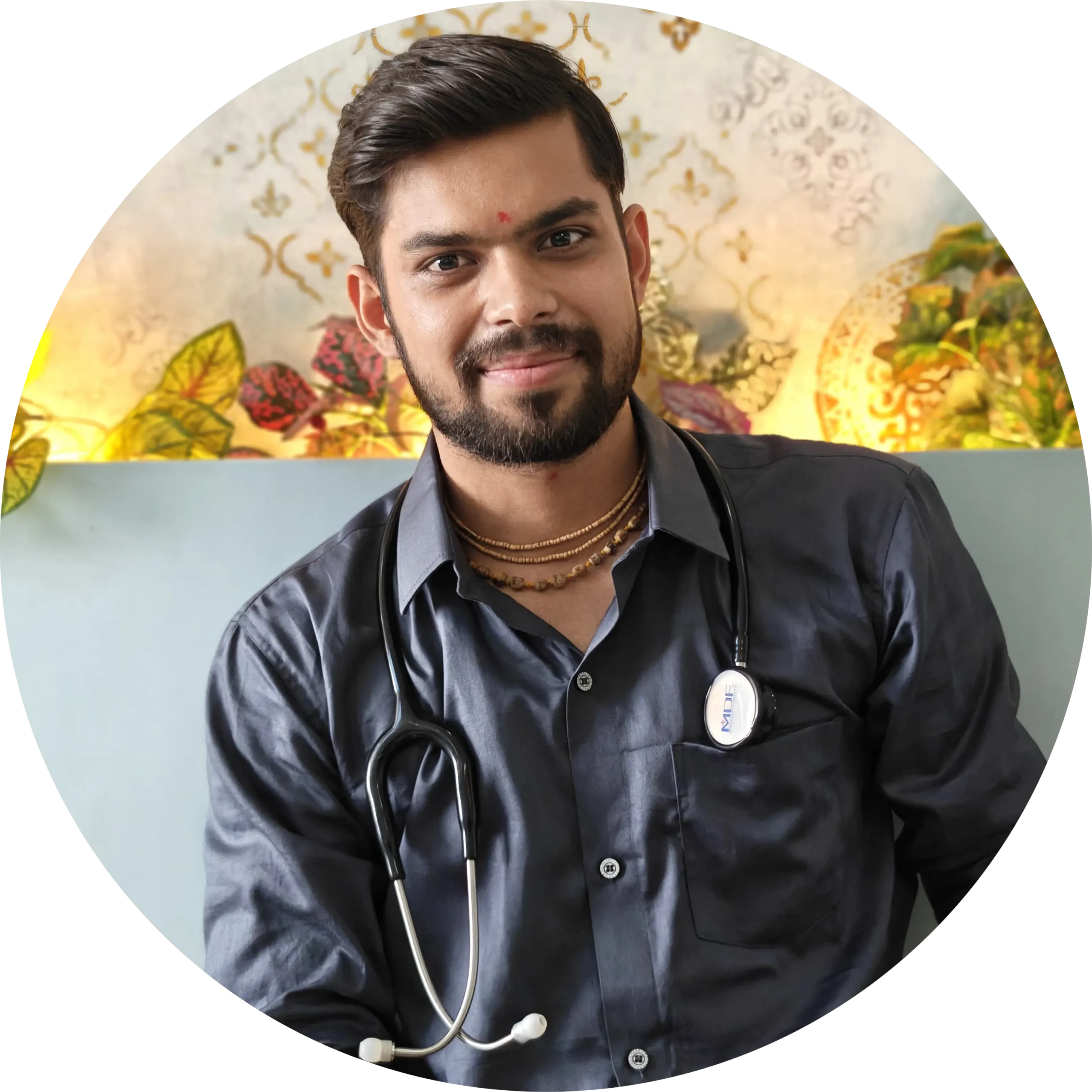
Written by Dr. Ashish Sharma, MBBS.MBBS graduate (Karaganda Medical University) and FMGE-qualified physician with completed internship at Rajeev Gandhi Government General Hospital, Alwar.